

Welcome to the very first PHOTOSNACK SUNDAY.
To celebrate the beginning of this new chapter, I’ve decided to make today’s entire edition available to everyone, including the narrated audio version.
Consider it a little invitation to experience what PHOTOSNACK SUNDAY will be all about.
Starting next Sunday, these special editions will become exclusive to supporting members. If you enjoy today’s story, I hope you’ll consider joining us for the journey ahead.
Today, we’re beginning with a remarkable story about three young photographers, thousands of lost photographs, and a mystery that took nearly seventy years to unravel.
A true story of war, photography, disappearance,
and an extraordinary discovery.
🎧
Listen to the narrated version below, or scroll down to read.
The Suitcase That Disappeared for Seventy Years
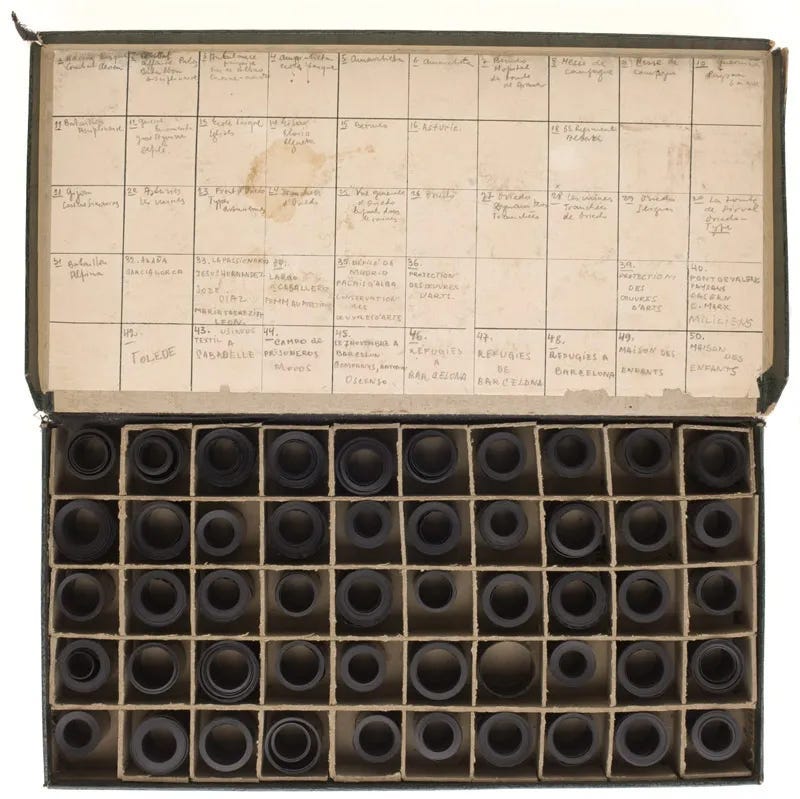
On December 19, 2007, three old cardboard boxes arrived at the International Center of Photography in New York.
They looked rather ordinary. Inside were 126 rolls of photographic film, containing approximately 4,500 negatives. Some had deteriorated with age, but remarkably, most had survived.
The photographs were almost seventy years old.
They had been made during the Spanish Civil War by three young photographers whose names would become legendary:
Robert Capa, Gerda Taro, and David Seymour, known to his friends as Chim.
And for decades, the world had believed these negatives were lost.
To understand why their return was so extraordinary, we need to go back to Paris in the 1930s.
Capa, originally from Hungary, was a young photographer trying to establish himself. Taro, who had fled Nazi Germany, was his partner, both romantically and professionally. Chim, born in Poland, was their close friend.
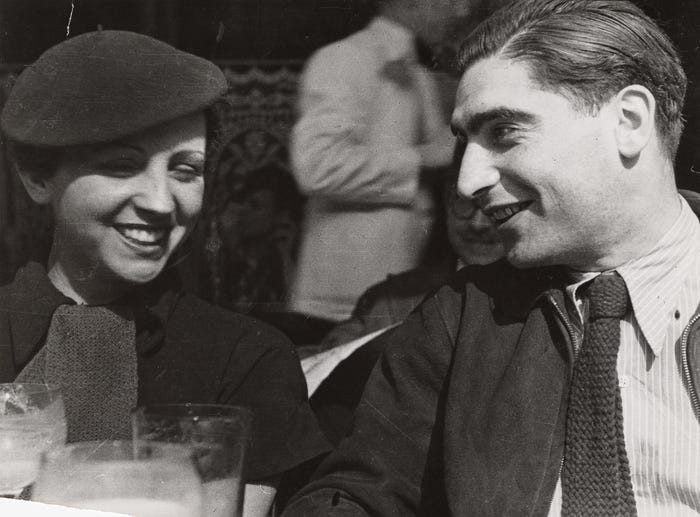
They were ambitious, politically engaged, and fascinated by the possibilities of photography. When civil war broke out in Spain in 1936, all three traveled there to document the conflict.
They photographed soldiers, civilians, refugees, and the everyday consequences of war. They worked close to the fighting, often placing themselves in considerable danger.
For Gerda Taro, that danger proved fatal.
In July 1937, while covering the Battle of Brunete near Madrid, she was caught in an accident involving military vehicles during a Republican retreat. She died from her injuries the following day.
She was just twenty-six.
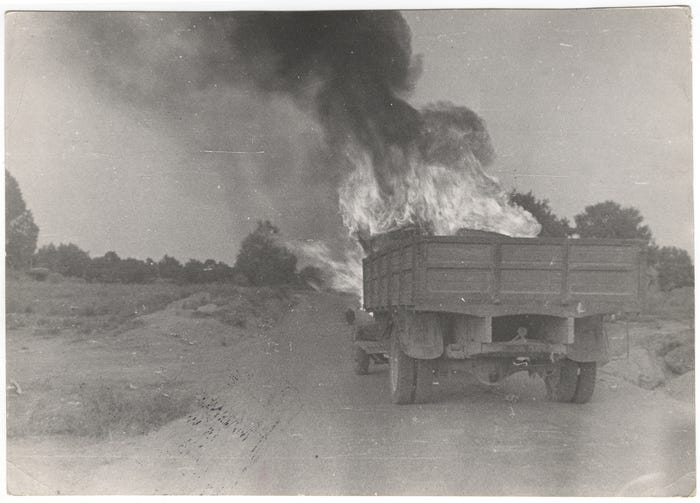
Capa and Chim continued photographing. But by 1939, the situation in Europe was becoming increasingly desperate. Franco’s forces had defeated the Spanish Republic, and another, much larger war was approaching.
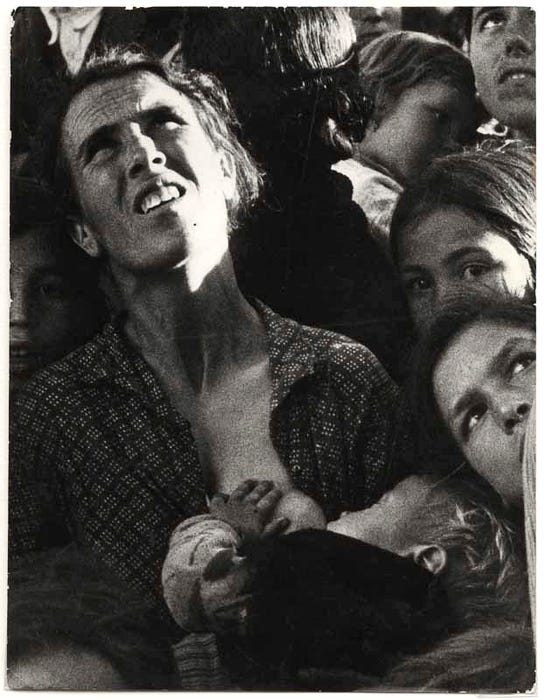
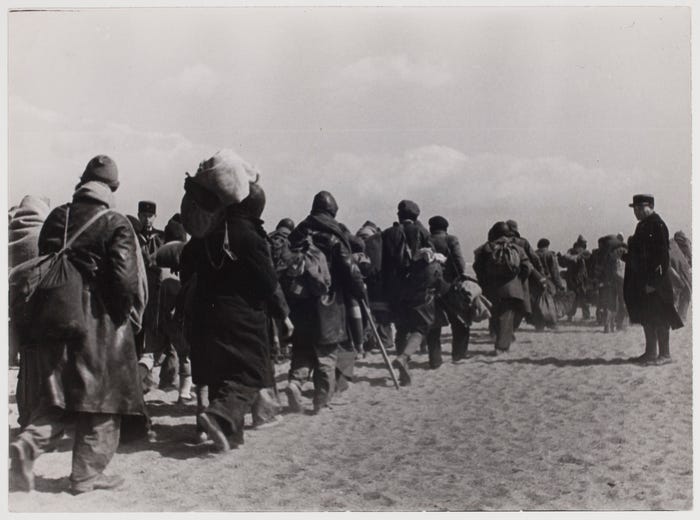
Capa escaped to America.
Thousands of negatives from the Spanish Civil War remained behind in France.
A photographer and darkroom assistant named Csiki Weisz, who had worked closely with Capa, helped protect the material as the German occupation threatened.
The negatives eventually passed into the possession of Francisco Aguilar González, a Mexican diplomat stationed in France.
Somehow, the boxes traveled across the Atlantic to Mexico.
And there, they disappeared.
Decades passed.
Robert Capa became one of the most celebrated war photographers in history. He photographed the Normandy landings, helped establish Magnum Photos, and continued covering conflicts around the world.
In 1954, he was killed by a landmine in Indochina.
Two years later, Chim was killed while covering the Suez crisis.
All three photographers were now dead.
And their missing negatives remained a mystery.
Then, in the 1990s, information began emerging from Mexico. A filmmaker named Benjamin Tarver had inherited boxes of photographic negatives through his family, which had connections to the Mexican diplomat.
The discovery eventually attracted the attention of the International Center of Photography.
But retrieving the material took years.
In 2007, curator and filmmaker Trisha Ziff helped arrange the negatives’ return to New York.
When researchers finally began examining the contents, they discovered something extraordinary.
There were photographs that had never been published. Familiar images appeared alongside the frames taken immediately before and after them. Entire sequences revealed how the photographers had approached their subjects, moved through scenes, and made their decisions.
The negatives also helped researchers reconsider the attribution of photographs previously associated with Capa, bringing greater attention to Gerda Taro’s independent achievements.
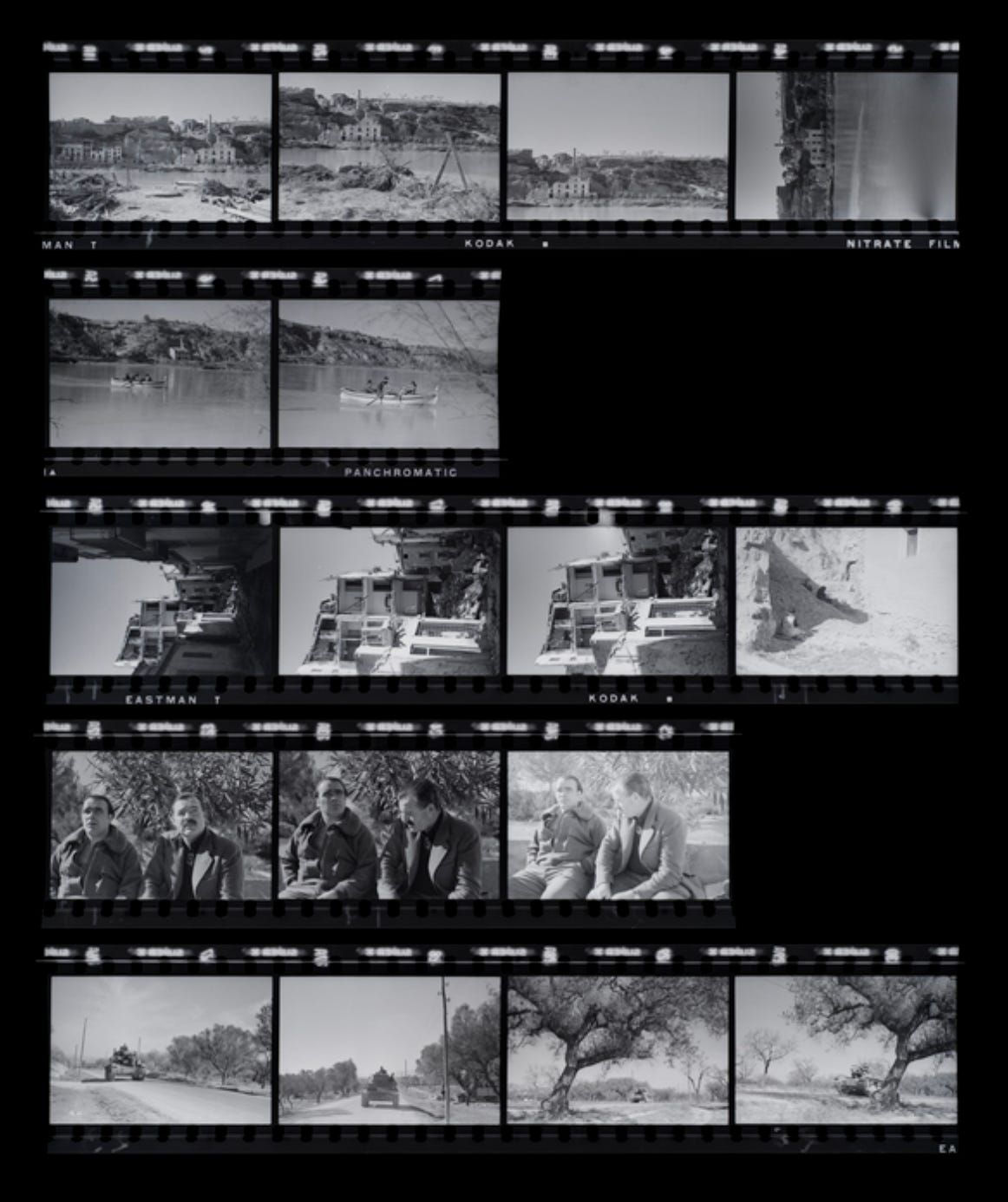
One mystery, however, remained unsolved.
The original negative of Capa’s famous Falling Soldier, an image whose authenticity has been debated for decades, was not among them.
In 2010, the International Center of Photography presented the recovered material in a major exhibition titled The Mexican Suitcase.
Photographs that had spent nearly seventy years hidden from view were finally being studied, exhibited, and appreciated again.
But there is something else about this story that I find particularly moving.
Think of those three young photographers in Spain. They were working in the middle of a terrible war, documenting moments that might otherwise have been forgotten.
None of them could have known that their negatives would survive them, disappear across an ocean, and return almost seventy years later.
And none would live to witness their rediscovery.
We often think about photographs as records of what happened in front of a camera.
But photographs have lives of their own.
They travel. They disappear. They survive circumstances their makers never imagined. Sometimes they remain unseen for generations, waiting for someone to recognize their importance.
And perhaps that is the most remarkable part of this story.
For almost seventy years, thousands of moments from the Spanish Civil War remained preserved inside three ordinary cardboard boxes.
The photographers were gone. The world had changed beyond recognition.
But the moments they had witnessed were still there.
Waiting to be seen again.
Enjoyed this story? There’s much more to come.
Every Sunday, PHOTOSNACK will bring you something special: extraordinary true STORIES from the world of photography, MASTERFRAME explorations of remarkable photographs, my personal OBSERVATIONS, and inspiring FIELDWORK ideas.
Starting next Sunday, these editions will be exclusively available to supporting members.
For $7/month or $70/year, you’ll receive all future Sunday editions while helping me continue the research, discovery, and editorial work behind PHOTOSNACK’s six free weekly emails.
Become a PHOTOSNACK supporting member >>>
I’d love to have you with me.
Until next time,
Tomasz
Brilliant